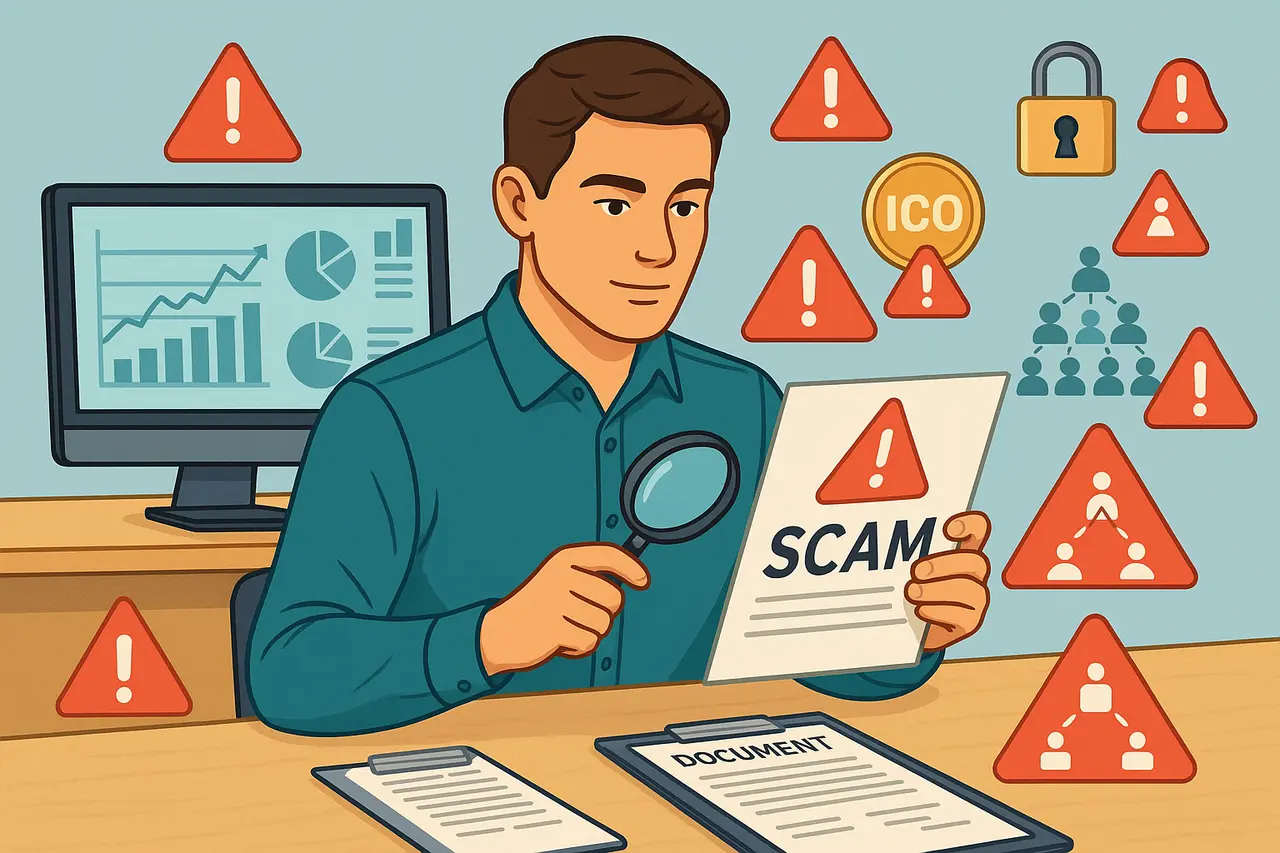

Top Strategies to Minimize Risks for New Investors in 2026
Entering the investment world can be both exciting and daunting for new investors. While the potential for financial growth is appealing, it is crucial to understand and manage the risks involved. This comprehensive guide explores proven strategies to minimize risks effectively, empowering beginners to build a resilient investment portfolio in 2026 and beyond.
Understanding Investment Risks
Before diving into risk reduction techniques, it is essential to grasp the types of risks that investors typically face. Market volatility, economic fluctuations, inflation, interest rate changes, and geopolitical events can all impact investment values. Additionally, individual investment choices come with specific risks, such as credit risk in bonds or liquidity risk in certain assets.
Being aware of these risks helps new investors make informed decisions and tailor strategies that align with their financial goals and risk tolerance.
1. Diversify Your Investment Portfolio
Diversification is one of the fundamental principles of risk management. By spreading investments across various asset classes—such as stocks, bonds, real estate, and commodities—you reduce the impact of any single asset’s poor performance on your overall portfolio.
Within asset classes, diversify further by investing in different industries, geographic regions, and company sizes. This approach helps to mitigate sector-specific or regional downturns. For example, while technology stocks might be volatile, adding stable dividend-paying stocks or bonds can balance the risk.
Learn more about portfolio diversification and how it shields your investments from volatility.
2. Educate Yourself Continuously
Knowledge is a formidable tool in risk reduction. New investors should prioritize continuous learning to stay updated with market trends, economic indicators, and investment products. Numerous resources are available online, including educational materials by the U.S. Securities and Exchange Commission and reputable financial news outlets.
Understanding basic investment concepts such as compound interest, asset allocation, and tax implications empowers investors to make sound choices aligned with their financial status and objectives.
3. Set Clear Investment Goals and Risk Tolerance
Defining clear investment goals is crucial. Are you saving for retirement, purchasing a home, or funding education? Each goal has a different time horizon and risk profile.
New investors should assess their risk tolerance honestly—how much loss can you endure without panic selling? Tools like risk tolerance questionnaires are widely available and help in aligning your portfolio with your comfort level.
Establishing these parameters guides your investment strategy and prevents impulsive decisions during market fluctuations.
4. Consider Low-Cost Index Funds and ETFs
Instead of picking individual stocks, beginners often benefit from investing in index funds or Exchange-Traded Funds (ETFs). These funds track market indexes, providing broad market exposure with comparatively lower risks and fees.
Low-cost funds reduce the drag of fees on returns, which can be significant over long periods. They also inherently offer diversification, which is a key risk mitigation tactic.
Explore why index funds and ETFs are ideal for beginners.
5. Use Dollar-Cost Averaging
Dollar-cost averaging involves investing a fixed amount regularly, regardless of market conditions. This strategy reduces the risk of making a large investment at a market peak and smooths out the purchase price over time.
By sticking to a consistent investment plan, newcomers can build wealth steadily without trying to time the market, which is notoriously challenging.
6. Build an Emergency Fund
Having liquid savings in an emergency fund is essential. It prevents the need to liquidate investments in unfavorable market conditions to cover unexpected expenses.
Financial experts recommend saving three to six months’ worth of living expenses in a separate, easily accessible account.
7. Monitor and Rebalance Your Portfolio Regularly
Over time, different asset classes perform differently, which can shift your portfolio away from your desired allocation. Periodic rebalancing ensures your investment mix remains aligned with your risk tolerance and goals.
This disciplined approach helps maintain a balanced risk exposure and captures potential growth opportunities.
8. Avoid Emotional Investing
Market fluctuations can trigger emotional reactions, leading to impulsive buying or selling, which often results in losses. Developing a long-term mindset and sticking to your planned strategy reduces the influence of emotions on decisions.
Using tools like Budget IQ Pro can help investors maintain control over their finances and avoid emotionally-driven choices by tracking progress objectively.
9. Seek Professional Advice When Needed
Consulting with certified financial advisors or investment professionals can provide personalized guidance tailored to your unique financial situation.
Ensure any advisor you work with adheres to fiduciary standards, prioritizing your interests.
10. Use Technology to Your Advantage
Leverage modern financial tools to optimize investment management. Platforms like Budget IQ Pro offer comprehensive features to track investments, budgets, and financial goals all in one place.
Such tools provide data-driven insights, allowing new investors to make better-informed decisions while minimizing risks.
Conclusion
Minimizing investment risk requires a multifaceted approach combining education, strategic planning, and disciplined execution. For new investors embarking on their financial journey in 2026, following these strategies lays a solid foundation for long-term success and peace of mind.
Remember, effective risk management is not about avoiding risks entirely but understanding and controlling them wisely. Equip yourself with knowledge, diversify diligently, and utilize modern tools like Budget IQ Pro to maintain financial clarity and confidence on your investing path.
For further reading, explore trusted investment resources and keep your financial literacy evolving to adapt to changing market landscapes.