
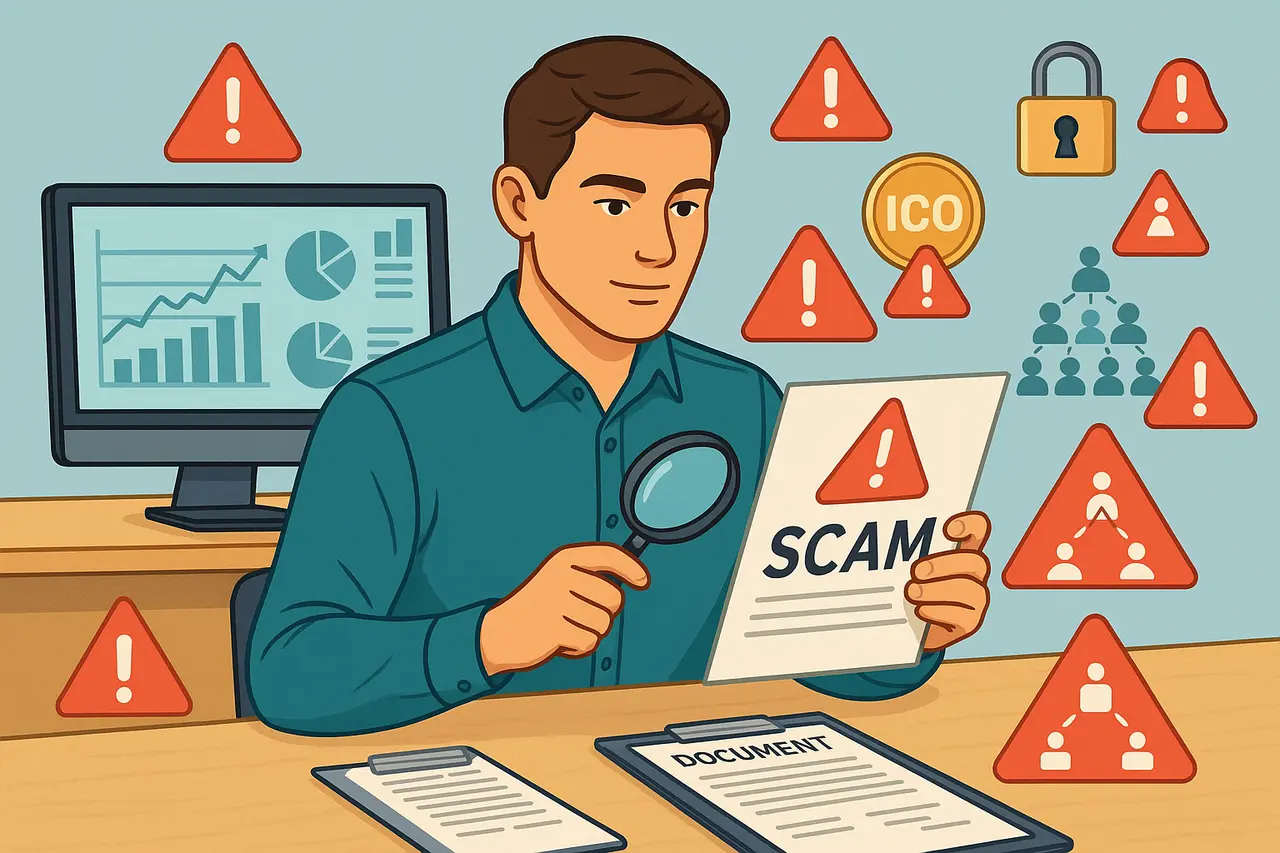
How to Identify and Avoid Common Investment Scams for Beginner Investors
Investing can be a powerful way to grow your wealth over time, but it also comes with risks, especially for beginners. Among these risks are investment scams that can lead to significant financial loss and distress. Understanding how to identify and avoid these scams is crucial for any new investor aiming to build a secure financial future. This guide aims to educate beginner investors on typical investment frauds, how to recognize red flags, and best practices for safe investing to protect your assets.
Common Types of Investment Scams
Investment scams come in many forms, often designed to appear as legitimate opportunities promising extraordinary returns with little or no risk. Here are some of the most prevalent types:
- Ponzi Schemes: These scams pay returns to earlier investors using the capital of newer investors rather than legitimate profits. Eventually, the scheme collapses when new investments dry up.
- Pump and Dump: Fraudsters inflate the stock price of an inexpensive or obscure stock through false, misleading, or exaggerated statements, then sell off their shares at the high price before the price falls.
- Advance Fee Fraud: Investors are promised significant returns but are asked to pay fees upfront to secure the investment, which never materializes.
- Fake Initial Coin Offerings (ICOs): In the world of cryptocurrencies, fraudsters create fake ICOs to lure investors into purchasing worthless digital tokens.
- Unregistered Investments: These are investment opportunities not registered with regulatory bodies, often lacking proper disclosure and oversight.
How to Identify Potential Investment Scams
Recognizing scams early is essential to protect your hard-earned money. Beginners should watch out for the following warning signs:
- Promises of Guaranteed or Unrealistically High Returns: If it sounds too good to be true, it usually is. Legitimate investments carry risk; no one can guarantee huge profits quickly.
- Pressure to Invest Quickly: Scammers often create a false sense of urgency to rush decisions, preventing you from thoroughly researching the opportunity.
- Lack of Verifiable Information: Genuine investments offer transparent documents, registrations, and verifiable backgrounds of the promoters. Be wary if this is missing or hard to obtain.
- Unlicensed Sellers or Advisers: Verify the credentials of anyone offering investment advice or selling securities through licensed regulatory authorities.
- Complex or Secretive Strategies: Fraudsters use jargon or secretive information to confuse investors and obscure the real risk or lack of return mechanism.
Steps to Avoid Investment Fraud
Preventing investment scams is not just about spotting red flags but also following prudent investing practices:
- Conduct Thorough Research: Investigate the investment, the company, and its leaders. Use official regulatory websites to confirm their legitimacy.
- Ask Questions: Don’t hesitate to ask detailed questions about how returns will be generated, risks involved, and the investment structure.
- Verify Licenses and Registrations: Always check that the seller or adviser is registered with financial regulatory bodies such as the SEC or your national authority.
- Seek Independent Advice: Consult with a trusted financial advisor or investment professional who is independent of the offering parties.
- Beware of High-Pressure Tactics: Legitimate investment opportunities don’t require immediate decisions—you should take the time needed.
- Keep Records: Document all communications and transactions related to the investment for future reference and potential legal action.
Safe Investing Tips for Beginners
Building a solid foundation in investing means adhering to best practices that safeguard your capital and grow your financial portfolio responsibly:
- Diversify Your Portfolio: Spread investments across asset classes and sectors to reduce risk exposure.
- Understand Your Risk Tolerance: Invest according to your financial goals, timeline, and comfort with volatility.
- Educate Yourself Continuously: Use trusted sources and stay updated on market trends and investment principles.
- Set Realistic Expectations: Long-term steady growth is more sustainable than chasing quick, high returns.
- Use Secure Tools for Tracking Finances: Utilize personal finance management systems to maintain control and visibility over your investments and expenses.
Maintain Complete Control Over Your Finances
Effective control and regular monitoring of your investments and finances are fundamental steps in protecting yourself from scams and financial mismanagement. Tools like Budget IQ Pro provide a comprehensive platform for managing budgets, expenses, and investments all in one place, empowering you with clear insights and better financial decision-making. Integrating such systems into your financial routine can help reinforce safety nets against fraud and encourage disciplined investment habits.
Conclusion
Investment scams pose a significant threat to beginner investors, but with vigilance, knowledge, and disciplined practices, these risks can be greatly mitigated. Understanding common fraud types, recognizing early warning signs, and applying prudent checking steps will protect your capital and ensure your investment journey is on a safe path. Supplementing these efforts with robust financial management tools like Budget IQ Pro can further enhance your ability to maintain control and make informed decisions.
For more detailed guides and resources on safe investing and personal finance, feel free to explore our investing basics resources and financial planning tips.