Understanding the Role of Credit Scores in Securing the Best Banking Services
In today’s financial landscape, securing the best banking services is essential for managing your personal finances effectively. One of the most important factors that banking institutions consider when offering products like loans, credit cards, and mortgages is your credit score. Understanding how credit scores work and their impact on your banking options can empower you to make informed financial decisions and access better services.
What is a Credit Score?
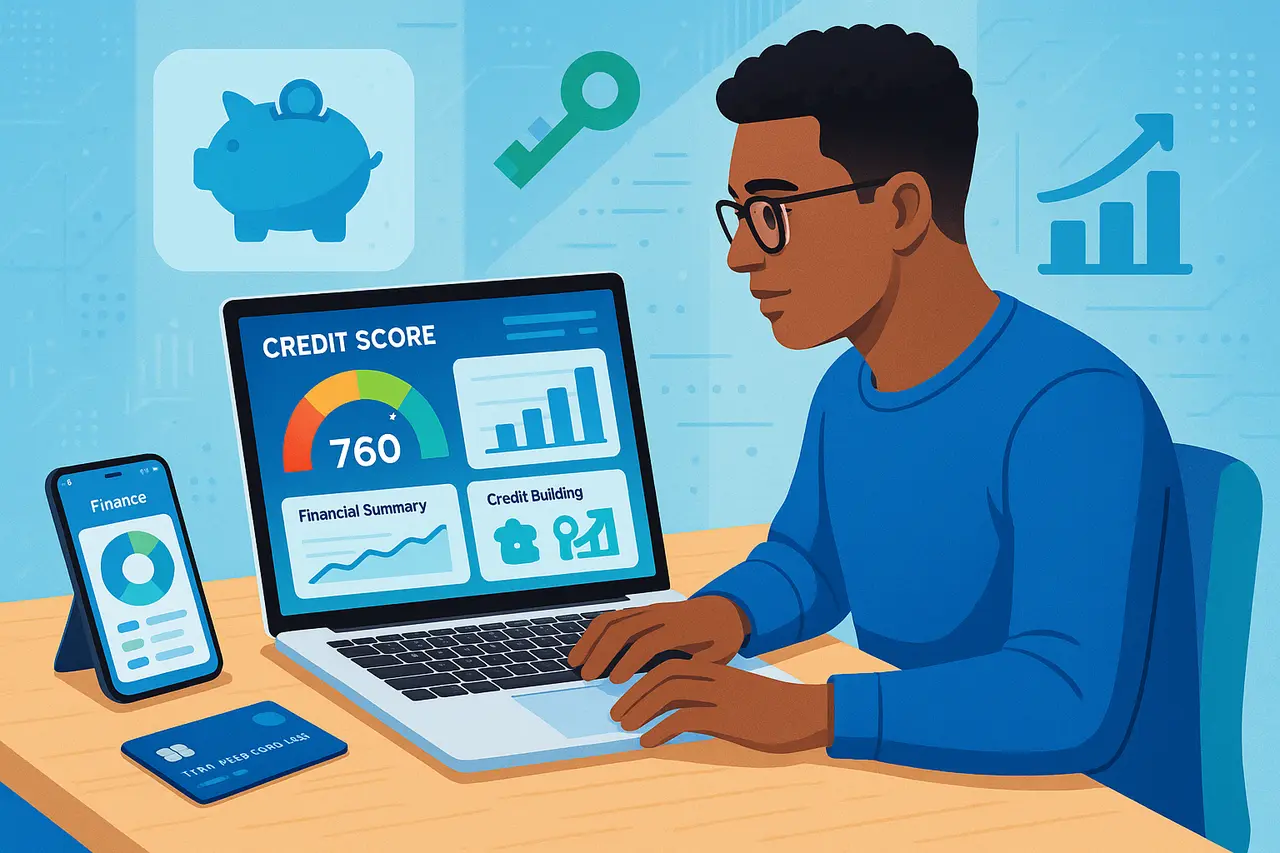
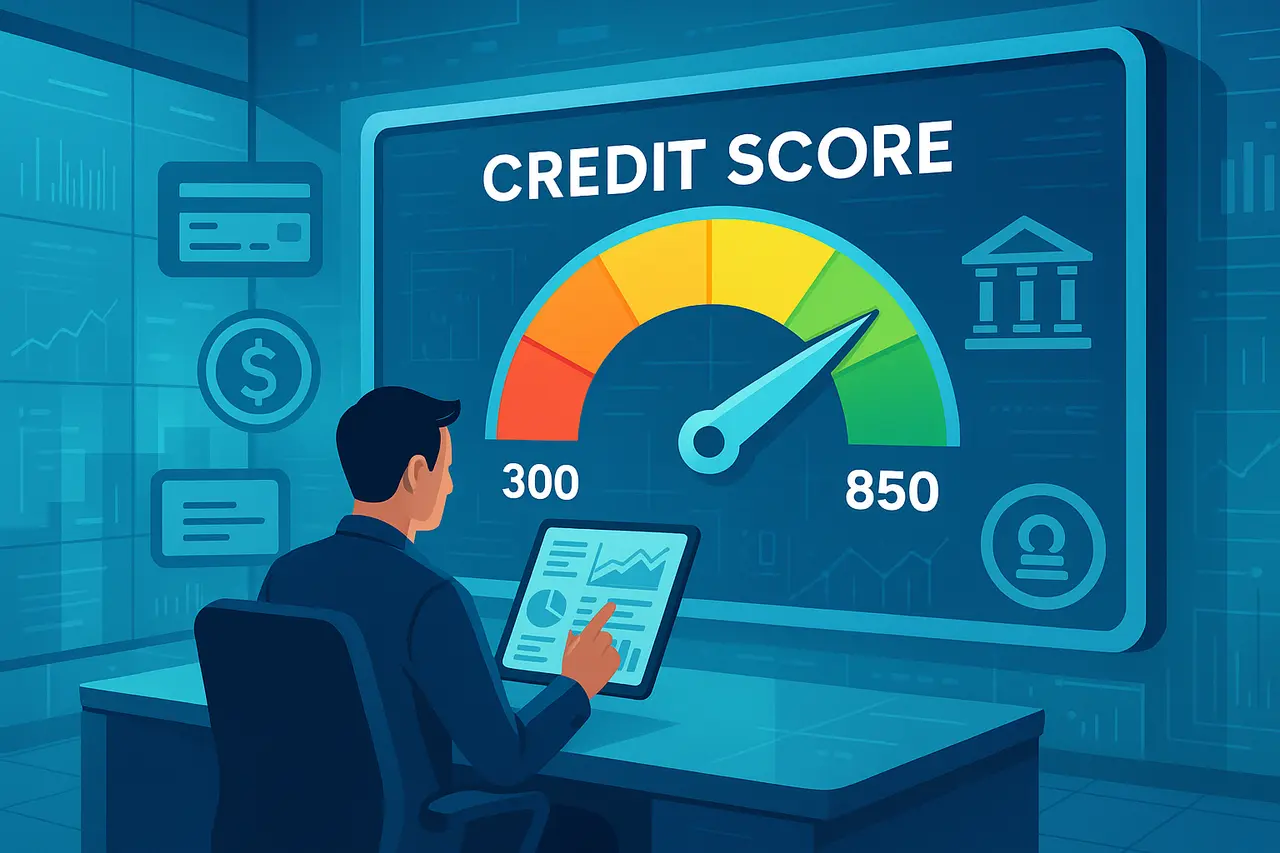
A credit score is a numerical representation of your creditworthiness, based on your credit history and financial behavior. It typically ranges from 300 to 850, with higher scores indicating better creditworthiness. Lenders and banks use this score to evaluate the risk of lending money to you, influencing interest rates, loan approvals, and credit limits.
How Credit Scores Affect Your Banking Services
Credit scores play a pivotal role in various banking services, including:
- Loan Approvals: Banks assess your credit score to determine eligibility for personal loans, mortgages, and auto loans. A strong credit score increases your chances of approval.
- Interest Rates: Your credit score influences the interest rates offered to you. Higher scores often translate to lower rates, saving you money over the life of the loan.
- Credit Card Offers: Banks tailor credit card offers based on your credit profile. Premium cards with added benefits are usually accessible to those with excellent credit.
- Bank Account Features: Some banks use credit scores to decide on offering overdraft protection or premium checking accounts.
Factors Influencing Your Credit Score
Several factors contribute to your credit score, including:
- Payment History: Timely payments positively impact your score, while missed payments hurt it.
- Credit Utilization: Keeping your credit card balances low relative to your limits helps maintain a good score.
- Length of Credit History: Longer credit histories typically improve your score.
- Types of Credit: A mix of credit types can be beneficial.
- Recent Credit Inquiries: Applying for multiple credit lines within a short period can negatively affect your score.
Tips to Improve Your Credit Score
Improving your credit score is a strategic process. Consider these tips:
- Always pay bills on time and in full whenever possible.
- Monitor your credit utilization ratio and keep it below 30%.
- Avoid opening multiple new credit accounts rapidly.
- Review your credit reports regularly to check for errors and dispute inaccuracies.
- Maintain older credit accounts to demonstrate a stable credit history.
How to Use Your Credit Score to Your Advantage in Banking
Being aware of your credit score allows you to negotiate better terms with banks, select suitable financial products, and plan your financial goals effectively. For example, knowing your credit standing can help you decide when to apply for a mortgage or refinance a loan to get better rates.
Additionally, banks often offer credit monitoring and educational resources to help customers improve their financial health.
Leveraging Technology for Better Financial Control
Managing your credit score and finances can be complex but using the right tools can simplify this process. Tools like Budget IQ Pro provide comprehensive personal finance management features, helping you track expenses, plan budgets, and monitor your credit health all in one place. Integrating such technology into your financial routine enhances your ability to maintain a healthy credit score and secure the best banking services.
Conclusion
Your credit score is a fundamental component when it comes to accessing quality banking services. By understanding how it is calculated and managed, you can take proactive steps to improve your financial profile. Educating yourself and utilizing tools designed to enhance financial management, like Budget IQ Pro, are essential strategies for navigating the banking landscape successfully. Stay informed, monitor your credit regularly, and make deliberate choices to build a strong financial future.
For further insights and tips on managing credit and banking services, visit reputable finance websites such as Consumer Financial Protection Bureau, Experian, and Bankrate. These resources offer valuable information to help you stay on top of your personal credit and financial goals.