
The Impact of Inflation on Investment Returns: What Every Beginner Investor Should Know
Inflation is an essential economic factor that every investor, especially beginners, must understand to make informed investment decisions. In simple terms, inflation refers to the general increase in prices of goods and services over time, which leads to the decrease of purchasing power of money. Although inflation might seem like a distant economic concept, it has a direct and significant impact on your investment returns.
Understanding Inflation and Its Measurement
Inflation is typically measured by the Consumer Price Index (CPI), which tracks the average price changes paid by consumers for a basket of goods and services over a period. Other measures include the Producer Price Index (PPI) and the Personal Consumption Expenditures (PCE) price index.
Knowing how inflation is measured helps investors track how the cost of living changes and how their investments’ real value changes accordingly.
Why Inflation Matters to Investors
Inflation erodes the purchasing power of money. For example, if you earned a 5% return on an investment but inflation was 3%, your net or real return is only about 2%. This means, even though your investment nominally increased, the actual value after considering inflation is less impactful.
Real vs. Nominal Returns
The distinction between nominal and real returns is crucial. Nominal return is the percentage gain or loss on your investment without adjusting for inflation. Real return adjusts for inflation and represents the actual growth in purchasing power.
Calculating the real return can be simplified with the formula:
Real Return ≈ Nominal Return – Inflation Rate
How Inflation Affects Different Asset Classes
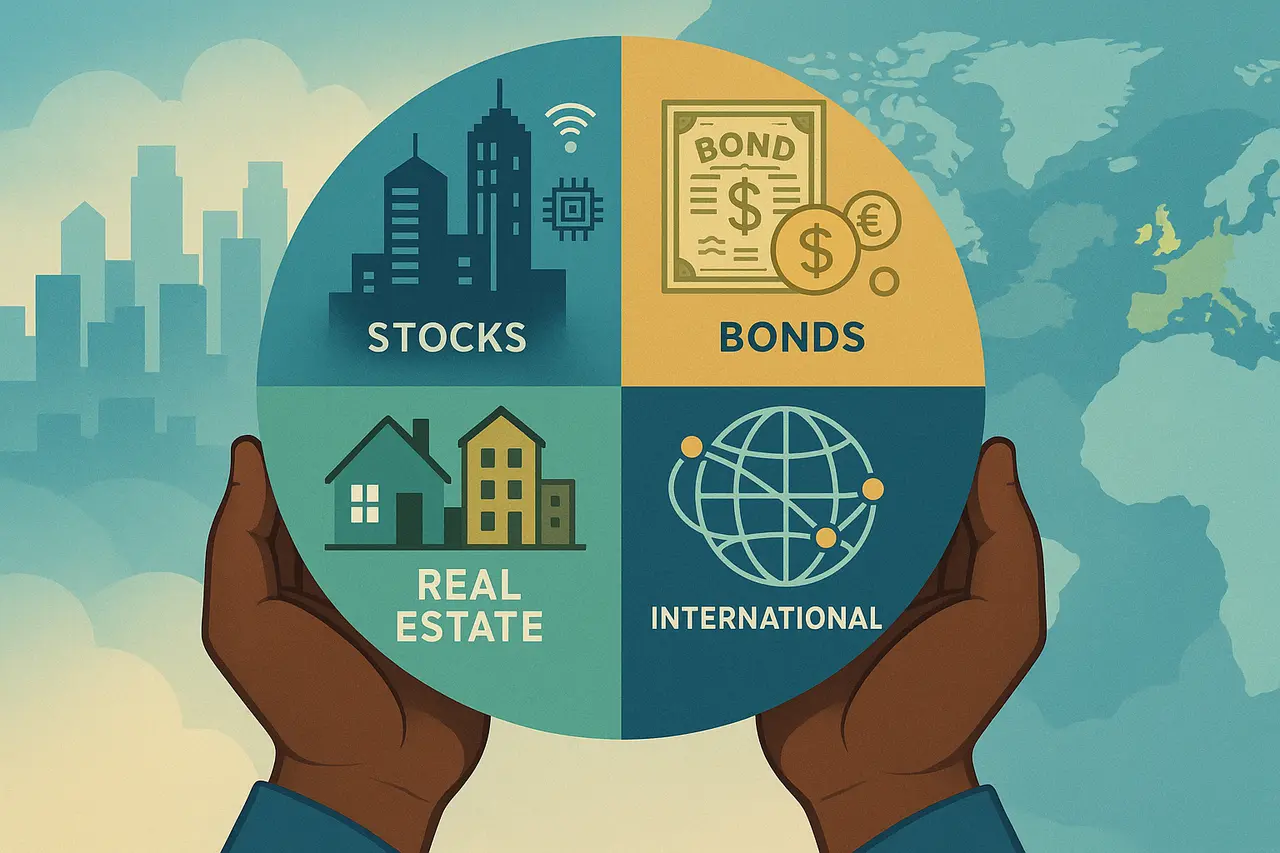
Stocks
Stocks generally have shown to be a good long-term hedge against inflation, as companies can often pass increased costs to consumers. However, inflation can lead to higher interest rates, which may negatively impact stock prices and valuations in the short term.
Bonds
Bonds tend to suffer during periods of high inflation because the fixed interest payments lose purchasing power. Inflation-protected securities, like Treasury Inflation-Protected Securities (TIPS), can help mitigate this risk.
Real Estate
Real estate often acts as an inflation hedge since property values and rents usually rise with inflation. However, this can vary by market conditions and location.
Cash and Savings
Holding large amounts of cash or low-interest savings accounts during inflationary periods can erode your wealth as the real value declines over time.
Inflation Trends and Projections for 2026
Understanding current and projected inflation trends is vital for investors looking ahead. While inflation rates can fluctuate due to various economic factors, experts anticipate moderate inflation levels by 2026. Staying informed about economic indicators and central bank policies can help you adjust your investment strategy accordingly.
Strategies to Protect Your Investments from Inflation
- Diversify: Spread your investments across different asset classes to reduce risk.
- Consider Inflation-Protected Securities: Investing in TIPS can offer protection against inflation.
- Invest in Stocks: Focus on companies with strong pricing power.
- Real Estate Investments: Direct or indirect investment in property can help hedge.
- Regular Reviews: Periodically adjust your portfolio to respond to inflation trends.
Why Tracking Your Finances Helps You Combat Inflation
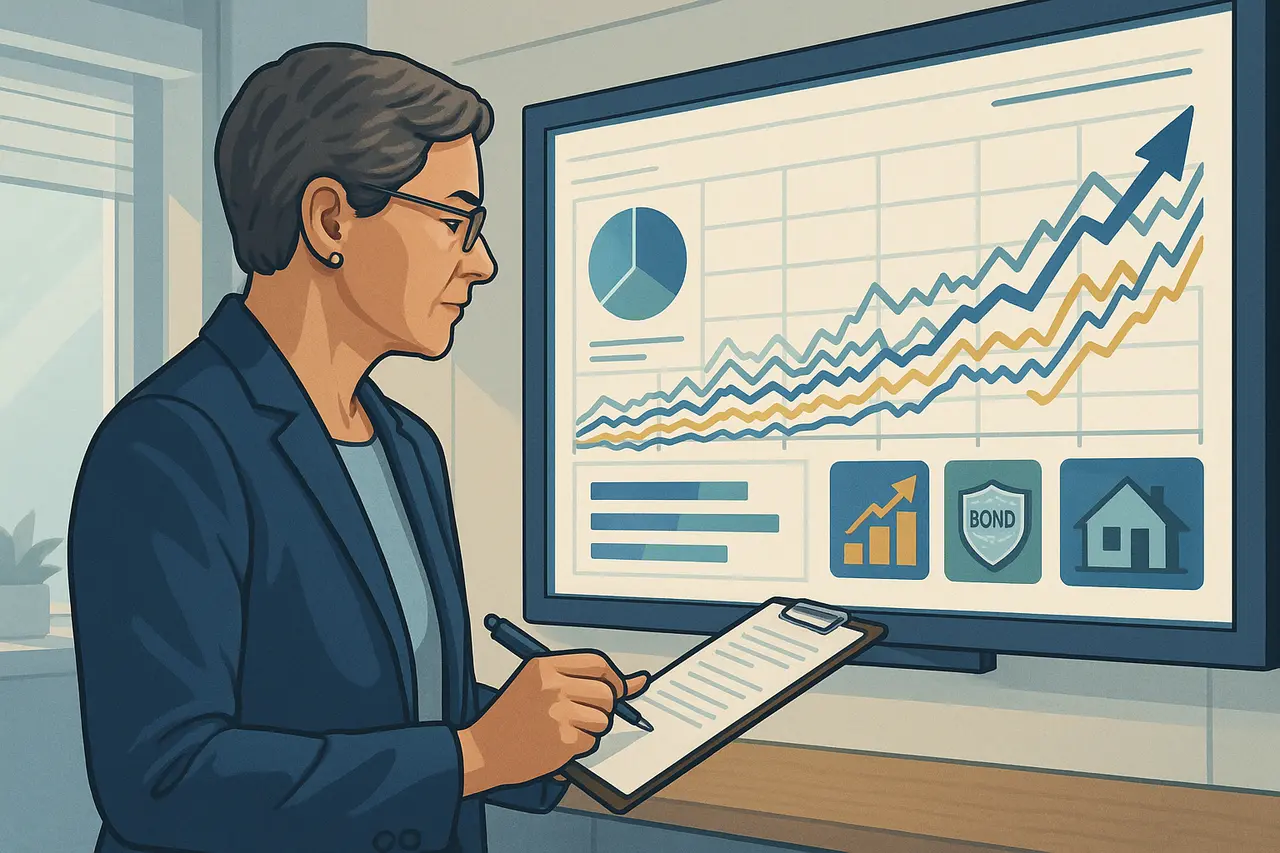
Managing inflation’s impact requires you to have a clear understanding of your income, expenses, and investments. This comprehensive view enables you to identify opportunities and risks, optimize your budget and savings rate, and adjust your investments as needed.
Utilizing advanced finance management tools can significantly simplify this process. For example, Budget IQ Pro offers users the ability to track their finances effectively, incorporating features that facilitate budgeting, expense monitoring, and investment tracking, helping you maintain control over your financial future.
Conclusion
Inflation inevitably influences investment returns, and ignoring its effects can lead to a miscalculated financial plan. For beginner investors, understanding inflation, monitoring economic trends, and adopting strategies that help mitigate inflation risk are vital steps toward preserving and growing wealth.
For additional guidance on managing your finances and investments comprehensively, consider exploring tools like Budget IQ Pro. Balancing investment strategies with effective financial management practices sets the foundation for long-term financial success despite the challenges inflation may present.
Helpful Resources
- Investopedia: Inflation Overview
- Federal Reserve Monetary Policy
- SEC: Inflation and Your Investments
- U.S. Bureau of Labor Statistics: Consumer Price Index
Stay informed, stay strategic, and use the right tools to navigate inflation’s impact on your investment journey.