Smart Strategies for Managing Debt and Improving Credit Health in 2026
In today’s fast-paced world, managing debt efficiently and maintaining a healthy credit score are essential for financial stability and growth. Whether you’re planning to buy a home, finance your education, or simply achieve peace of mind, understanding the strategies to manage debt smartly and improve your credit health is paramount.
Understanding Debt and Its Impact on Credit Health
Debt, when managed responsibly, can be a valuable financial tool. However, uncontrolled debt can lead to financial stress and adversely affect your credit score. Your credit health is a reflection of your financial behavior, and it influences your ability to qualify for loans, credit cards, and even affects the interest rates you may pay.
The main components affecting your credit health include payment history, credit utilization ratio, length of credit history, new credit inquiries, and types of credit used. By understanding these factors, you can tailor your strategies to improve your creditworthiness.
Strategies for Effective Debt Management
1. Create a Realistic Budget
One of the foundational steps in managing debt is creating a comprehensive budget that accounts for all your income and expenditures. This helps in identifying where you can cut unnecessary expenses and allocate more funds toward debt repayment.
2. Prioritize High-Interest Debts
Focus on paying off debts with the highest interest rates first. This approach reduces the total amount of interest paid over time and accelerates the path to becoming debt-free.
3. Avoid Accumulating New Debt
While paying off existing debt, it’s crucial to avoid taking on new debt. This can be achieved by controlling credit card usage and resisting impulsive purchases.
4. Consider Debt Consolidation
Debt consolidation involves taking out a single loan to pay off multiple debts. This can simplify payments and sometimes reduce interest rates, making debt management more manageable.
5. Negotiate with Creditors
Don’t hesitate to communicate with your creditors. Sometimes, they may offer reduced interest rates or more favorable repayment terms to help you manage your debt better.
Improving Your Credit Health
1. Make Timely Payments
Payment history is the most significant factor in your credit score. Ensure all your bills and loan payments are made on time to build a positive credit profile.
2. Keep Credit Utilization Low
Credit utilization ratio is the amount of credit you use compared to your credit limit. Keeping this ratio below 30% is generally recommended to maintain a healthy credit score.
3. Maintain a Diverse Credit Mix
Having a variety of credit types, such as installment loans, credit cards, and retail accounts, can positively affect your credit score as it demonstrates the ability to manage different kinds of credit responsibly.
4. Limit Hard Inquiries
Too many hard inquiries in a short period can lower your credit score. Only apply for new credit when necessary.
Technological Tools for Enhanced Financial Control
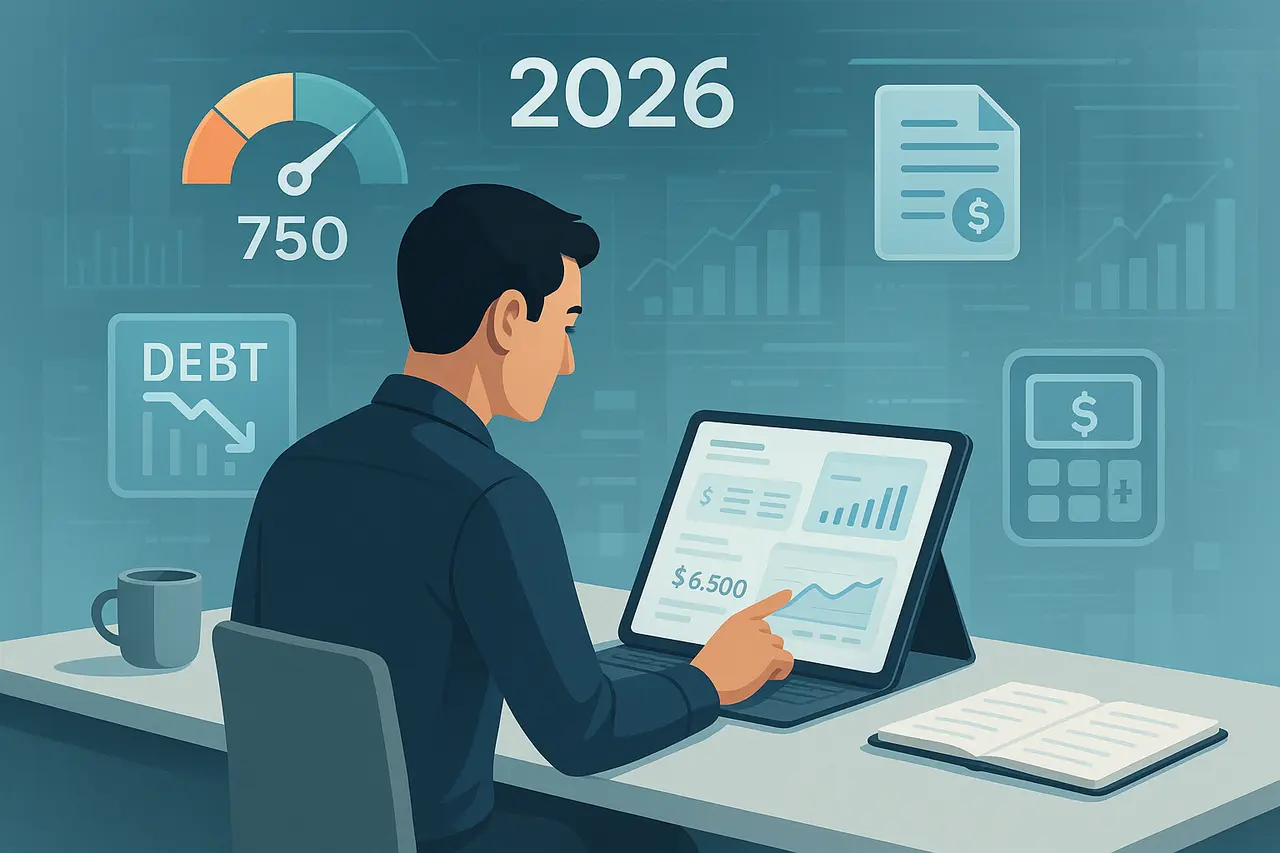
Managing finances can be challenging, but leveraging technology can make the process smoother and more effective. Tools like Budget IQ Pro provide comprehensive features that help you monitor expenses, plan budgets, and track debts efficiently.
By using such systems, you gain a holistic view of your financial status, enabling informed decisions and proactive debt management.
Conclusion
Smart debt management and credit health improvement are attainable goals with the right strategies and discipline. Creating a budget, prioritizing repayments, making timely payments, and utilizing supportive tools like Budget IQ Pro can dramatically improve your financial outlook in 2026 and beyond.
For more insights on personal credit and financial wellness, consider visiting resources like Consumer Financial Protection Bureau and MyFICO. Stay informed, stay empowered!