
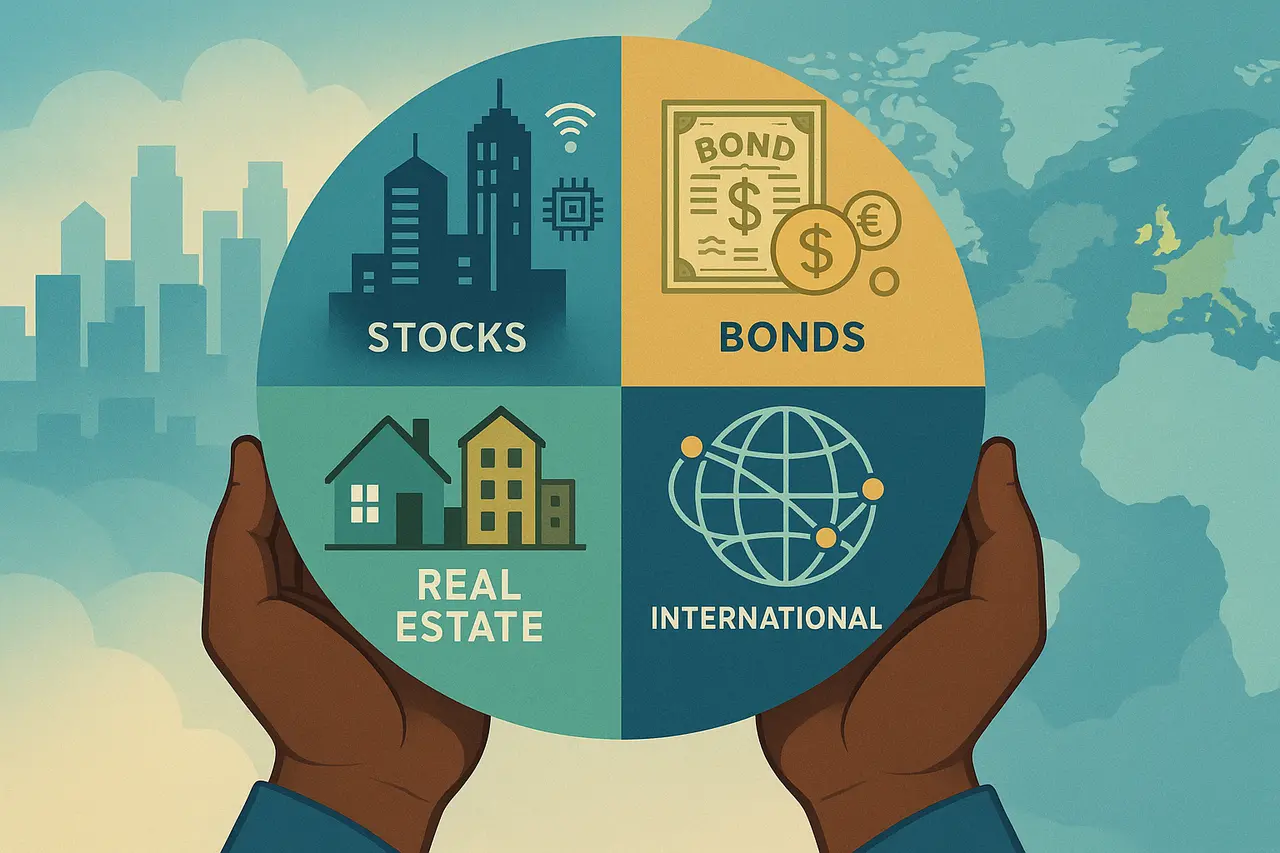
How to Build a Diversified Portfolio: Essential Tips for Beginner Investors
Diversifying your investment portfolio is one of the most important strategies for managing risk and enhancing potential returns. For beginner investors, understanding the fundamentals of diversification can pave the way to long-term financial success. In this article, we’ll explore key principles to help you build a well-diversified portfolio, tailored to your financial goals and risk tolerance.
What is Portfolio Diversification?
Portfolio diversification involves spreading your investments across various asset classes, industries, and geographical regions to reduce the impact of any single investment’s poor performance. This risk management technique helps protect your capital and smooths out investment volatility over time.
Why is Diversification Important for Beginner Investors?
New investors often face challenges such as market volatility, emotional decision-making, and lack of experience. Diversification minimizes risks associated with market fluctuations, decreases potential losses, and helps you stay committed to your investment strategy even in uncertain conditions. It’s a fundamental concept endorsed by experts and central to investment best practices, per Investopedia.
Key Components to Building a Diversified Portfolio
1. Asset Allocation
Asset allocation is the process of dividing your investments among different asset categories, such as stocks, bonds, real estate, and cash. Each asset class has unique risk and return profiles. For example, stocks generally offer higher growth potential but with more risk, while bonds tend to be more stable but with lower returns.
Your allocation should align with your investment goals, time horizon, and risk tolerance. For beginners, a popular approach is to use a mix of stocks and bonds that reflects your comfort with risk, gradually adjusting as you age or your goals change.
2. Diversification Within Asset Classes
Within each asset class, diversify further by investing across multiple sectors and industries. For instance, in equities, consider spreading investments across technology, healthcare, consumer goods, and energy sectors. Similarly, bonds can be diversified by issuer types, maturities, and credit qualities.
3. Geographic Diversification
Expanding your portfolio internationally can reduce reliance on the economic performance of a single country or region. Emerging markets and developed markets often behave differently, offering opportunities for enhanced returns and risk reduction.
4. Use of Mutual Funds and ETFs
For beginners, mutual funds and exchange-traded funds (ETFs) are excellent tools to achieve diversification without the need to pick individual securities. These funds pool money from multiple investors to invest in a broad range of assets following a specific strategy.
Strategies for Maintaining Diversification
Regular Portfolio Rebalancing
Over time, some investments will grow faster than others, causing your portfolio to drift from its original allocation. Rebalancing involves periodically adjusting your holdings back to your target allocation. This disciplined approach helps manage risk and ensures your portfolio reflects your current investment objectives.
Dollar-Cost Averaging
Investing a fixed amount regularly, regardless of market conditions, can reduce the impact of volatility on your portfolio. This technique encourages consistent investing habits and smooths out purchase prices over time.
Common Mistakes to Avoid When Diversifying
- Overdiversification: Excessive diversification can dilute returns and increase management complexity. Strike a balance suitable for your goals.
- Ignoring Fees: High fees can erode returns over time. Choose low-cost investment options like index funds and ETFs.
- Lack of Periodic Review: Market changes require periodic review and adjustment of your portfolio to stay aligned with your objectives.
Utilizing Technology for Effective Portfolio Management
Keeping track of diverse investments and managing a portfolio can be complex. Tools like the Budget IQ Pro offer comprehensive financial control features that help investors plan and monitor their finances efficiently. Leveraging such technology can provide greater clarity and discipline in executing your investment strategy.
Additional Resources on Building a Diversified Portfolio
Explore the following trusted resources to deepen your understanding:
- U.S. Securities and Exchange Commission: Basics of Diversification
- Fidelity Investments: A Guide to Portfolio Diversification
- Morningstar: The Power of Diversification
- CNBC Select: How to diversify investments like the pros
Conclusion
Building a diversified investment portfolio is essential for managing risk and optimizing returns, particularly for beginner investors navigating the complexities of financial markets. By understanding asset allocation, diversifying within asset classes and geographies, and utilizing investment funds, you lay a robust foundation for growth. Consistent portfolio management through rebalancing and leveraging financial tools like Budget IQ Pro can further enhance your investment journey.
Embark on your investment path with a well-rounded strategy today, and position yourself for long-term financial security.